Fenugreek is known as a culinary seed and a source of several studied plant compounds. One of its distinctive constituents is 4-hydroxyisoleucine (4-HIL), a naturally occurring amino acid that has attracted scientific interest for its relationship with insulin secretion and glucose metabolism. Human research offers three different kinds of evidence: experiments using isolated human pancreatic islets, a small study measuring oral 4-HIL exposure in healthy volunteers, and a longer clinical study of whole fenugreek seed powder in adults with prediabetes.
These studies examine different materials and answer different questions. The islet study tested 4-HIL directly in human tissue; the pharmacokinetic study assessed a specific 4-HIL-containing extract in healthy adults; and the prediabetes trial used whole-seed fenugreek powder. Together, they help explain why 4-HIL is an ingredient of interest while keeping the evidence tied to the preparation actually studied.
Insulin resistance and prediabetes in plain language
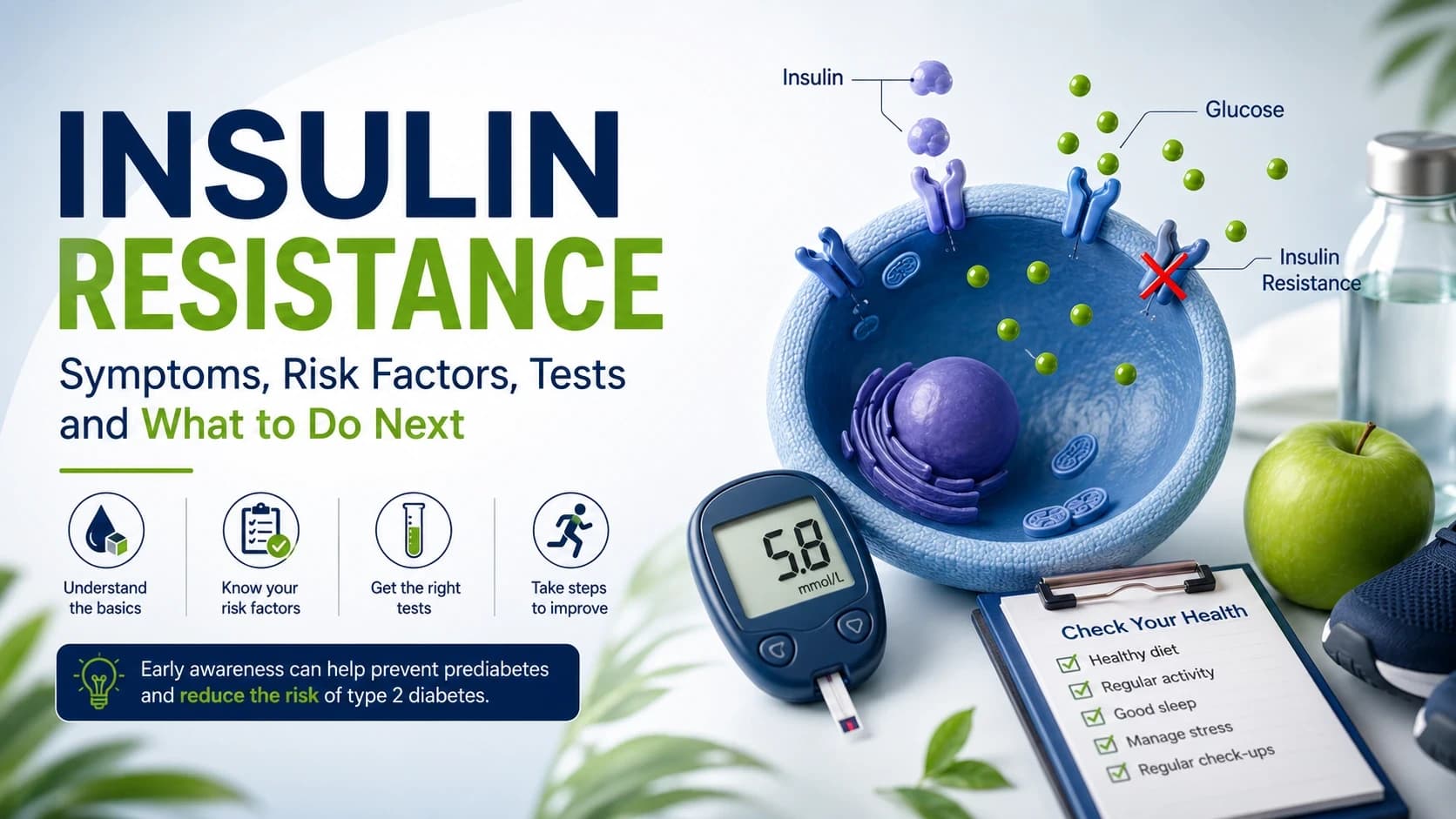
Insulin is a hormone that helps move glucose from the bloodstream into cells and signals the liver to regulate glucose output. With insulin resistance, cells in muscle, fat, and liver respond less effectively to insulin. The pancreas may compensate by releasing more insulin; when that response is no longer enough to keep blood glucose in a healthy range, glucose can rise into the prediabetes range4.
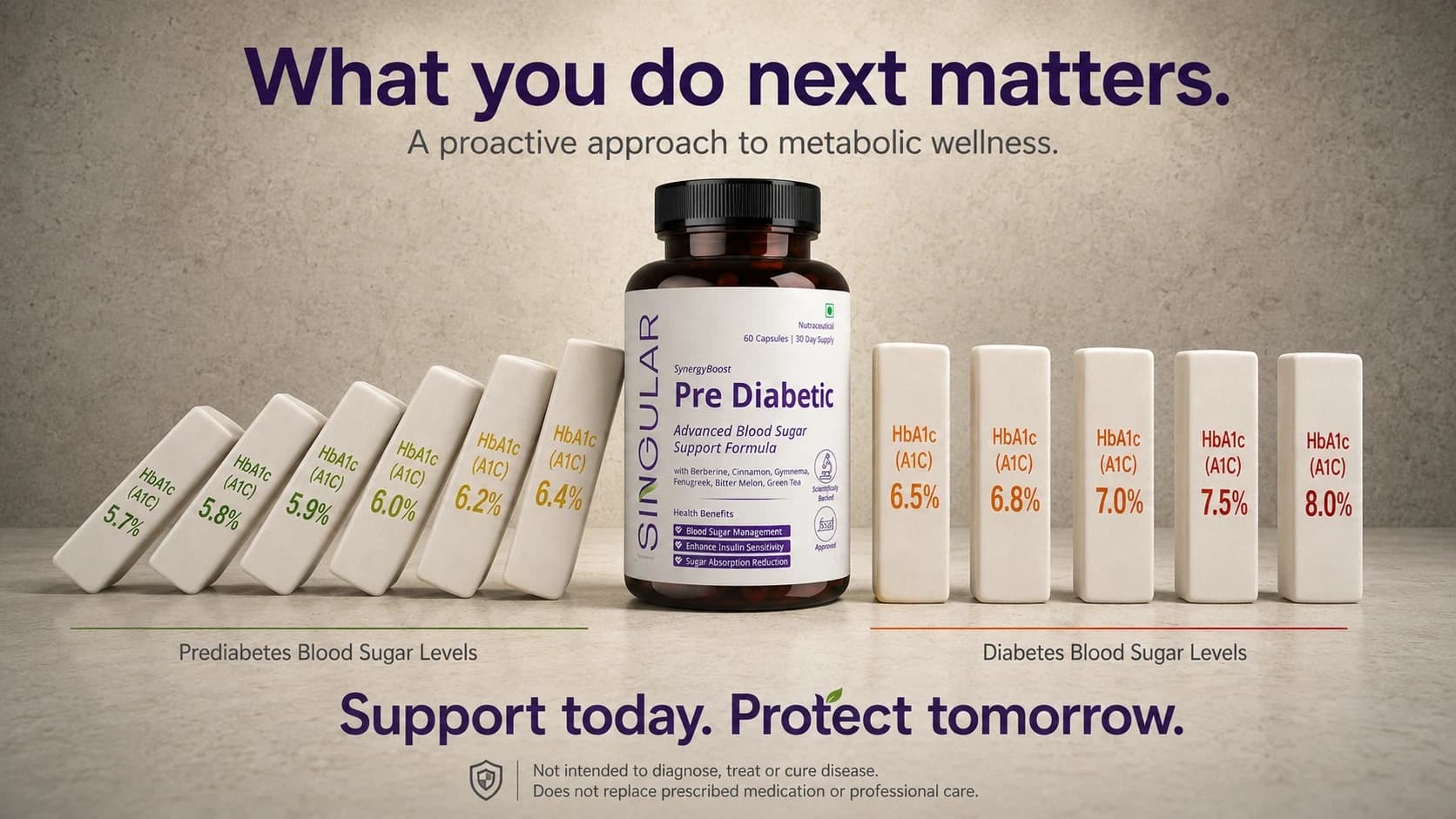
Prediabetes is identified with blood tests such as A1C, fasting plasma glucose, or a two-hour oral glucose tolerance test. It describes a higher-than-normal glucose range, not a diagnosis that can be made from symptoms alone. A clinician can interpret results, assess overall risk, and recommend an evidence-based plan. Regular physical activity, sustainable nutrition changes, and weight management when appropriate remain central parts of reducing progression risk4, 5.
What is 4-hydroxyisoleucine?
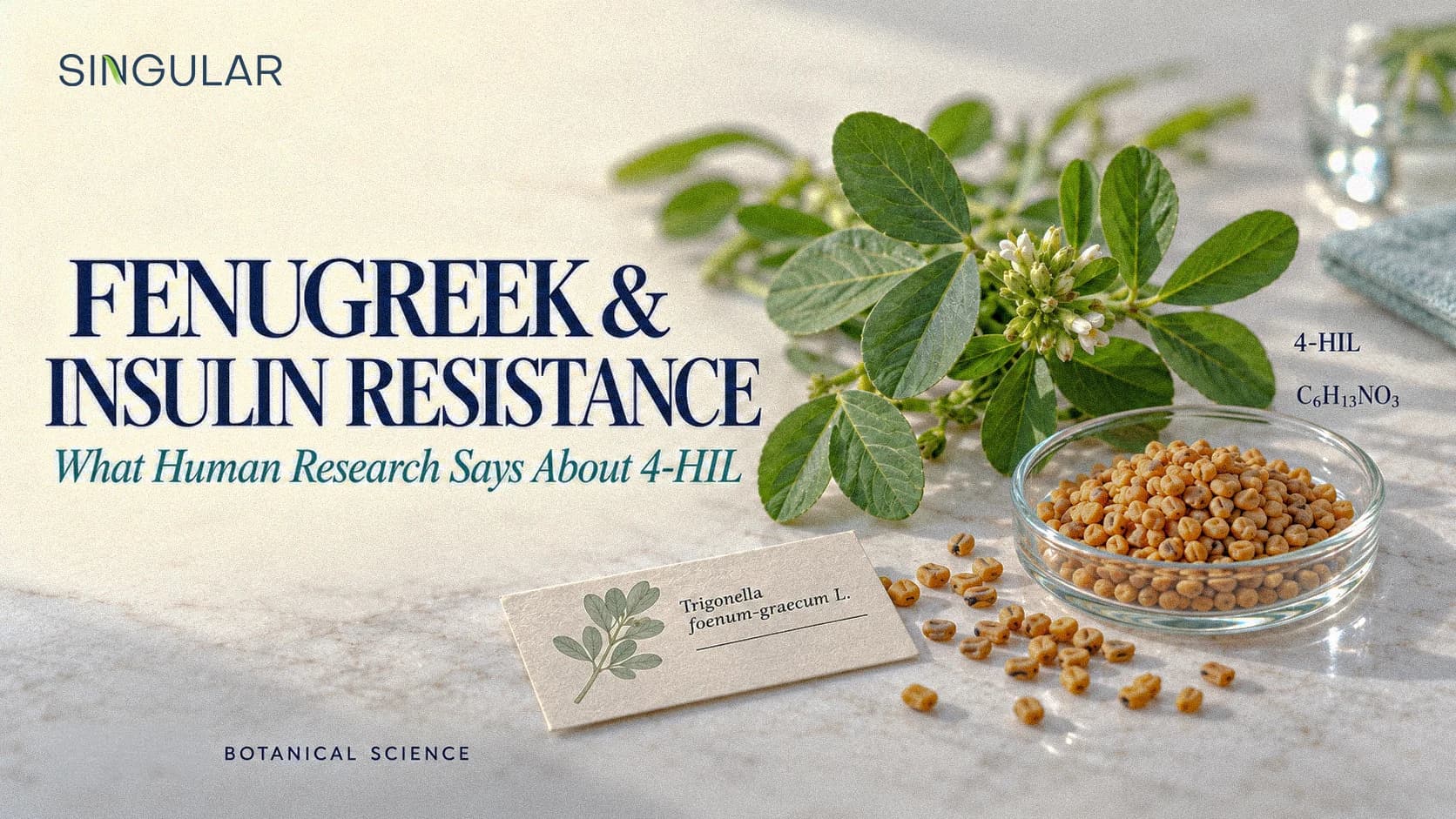
4-Hydroxyisoleucine, commonly shortened to 4-HIL, is a non-protein amino acid found naturally in fenugreek (Trigonella foenum-graecum) seeds. Its structure resembles the amino acid isoleucine, with an additional hydroxyl group at the fourth carbon. The naturally occurring molecule has defined stereochemistry; structural identity and analytical standardization matter because an ingredient label should communicate how much of the intended marker is present.
Fenugreek contains more than 4-HIL, including fiber and other seed constituents. A whole-seed powder and a concentrated extract therefore should not be treated as interchangeable. Extracts may be standardized to a specified marker level, making the amount of that marker more transparent per serving, but standardization alone does not establish clinical effectiveness or equivalence to a clinical-trial dose.
How 4-HIL relates to glucose-responsive insulin release
In a 1998 study, Sauvaire and colleagues examined 4-HIL in isolated human pancreatic islets. In those experiments, 4-HIL increased insulin release when glucose concentrations were elevated; the response was not observed at the lower glucose conditions tested. This finding is the basis for describing 4-HIL as a glucose-responsive insulinotropic compound in an experimental human-tissue setting.1
The result is scientifically notable because it suggests that the effect observed in those isolated islets depended on the glucose environment. It does not establish that taking a fenugreek supplement produces the same response in a person, nor does it prove that 4-HIL is completely inert at every euglycemic or hypoglycemic level. The study was a laboratory experiment in isolated tissue, not an oral clinical trial in people with prediabetes.
The study supports a functional observation—glucose-dependent amplification of insulin release under the experimental conditions. It does not map a definitive receptor, ion channel, or full intracellular signaling cascade for 4-HIL. Mechanistic descriptions involving membrane depolarization, calcium entry, or phospholipase pathways should therefore not be presented as established human mechanisms for this ingredient. For an audience interested in insulin resistance, this finding relates most directly to the insulin-secretion side of glucose regulation. It does not demonstrate that 4-HIL itself improves the response of muscle, liver, or adipose tissue to insulin in people.
What this may mean for insulin resistance
Insulin resistance and beta-cell insulin release are connected but distinct parts of glucose regulation. 4-HIL’s human-islet finding suggests a glucose-dependent insulin-release signal under laboratory conditions. That offers a biologically relevant research direction for glucose regulation, but it is not evidence that oral 4-HIL improves insulin sensitivity or prevents diabetes in people.
The human prediabetes evidence comes from whole fenugreek seed powder, not purified 4-HIL. In that three-year study, the investigators reported changes in glucose measures and insulin-resistance assessment (HOMA-IR) in the fenugreek group. Because the intervention contained the whole seed preparation, any observed result could involve multiple seed constituents, including fiber; the study cannot identify 4-HIL as the cause.
For readers managing prediabetes, the most accurate summary is that 4-HIL is a promising ingredient for continued human research, while clinical management decisions should be based on individual lab results and guidance from a healthcare professional. No study cited here tested Singular Insulin Balance as a finished formula.
What human pharmacokinetic research found
A 2025 human pharmacokinetic study administered a single tablet containing 150 mg of 4-HIL, delivered as fenugreek seed extract, to 12 healthy volunteers. The researchers measured plasma concentrations over 24 hours. Mean peak concentration was reported at approximately 0.5 hours after dosing2. This provides early human data about absorption timing for the specific preparation and dose used in that study.
The paper also used pharmacokinetic modeling and simulations to explore possible dosing schedules. Those model outputs are predictions, not results from a trial showing improved glucose control in patients. The study was small, involved healthy volunteers, and assessed a single administration for its pharmacokinetic component. It does not establish the long-term clinical effect, optimal commercial serving, or half-life of every fenugreek extract.
Fenugreek research in adults with prediabetes
A three-year randomized, controlled study reported by Gaddam and colleagues included 140 adults with prediabetes. Participants in the fenugreek group took 5 g of processed fenugreek seed powder twice daily before meals, alongside lifestyle guidance; the comparison group received the same lifestyle guidance. The authors reported lower cumulative progression to type 2 diabetes in the fenugreek group, along with changes in fasting and post-meal glucose, LDL cholesterol, and serum insulin during the study. The study also reported an association with lower HOMA-IR, a calculated estimate of insulin resistance based on fasting glucose and insulin3.
This is relevant human research on fenugreek as a whole-seed preparation. The intervention was 10 g per day of seed powder, not isolated 4-HIL and not a 50%-standardized extract. The findings therefore should not be represented as proof that a 4-HIL extract, a different dose, or Singular Insulin Balance produces the same outcomes.
Why specify a 50% 4-HIL fenugreek extract?
Standardization gives consumers and practitioners a clearer measure of a selected botanical marker than an unspecified seed powder. Based on the supplied Singular product specification, a two-capsule serving provides 150 mg of fenugreek seed extract standardized to 50% 4-HIL, corresponding to a calculated 75 mg 4-HIL marker. Confirm these figures against the current product label and batch documentation before publication.
That calculation describes marker content; it does not mean the serving matches the 150 mg 4-HIL dose used in the 2025 pharmacokinetic study or the 10 g/day whole-seed amount used in the prediabetes trial. Differences in extract composition, dose, co-ingredients, and study design matter when interpreting research. Standardization is most useful as a quality and labeling feature when supported by supplier specifications and appropriate identity and potency testing.
How 4-HIL fits into Singular Insulin Balance
Singular Insulin Balance combines standardized fenugreek extract with other ingredients, including berberine, gymnema, and cinnamon, according to the supplied product label. The formula is designed as a multi-ingredient supplement for adults interested in insulin sensitivity and glucose metabolism. Because the finished combination contains multiple ingredients, research on isolated 4-HIL or whole fenugreek cannot establish the effect of the finished product by itself.
For adults with prediabetes or concerns about insulin resistance, a supplement should be considered only as one part of a broader plan. Review the complete Supplement Facts panel, serving directions, and product quality information, and discuss use with a qualified healthcare professional—especially when taking glucose-lowering medication or managing a diagnosed condition. Ask your clinician how often to recheck A1C or other glucose tests. Supplements should be used alongside, not in place of, clinician-directed care and established lifestyle support.
Frequently asked questions
How might fenugreek relate to insulin resistance?
Human studies have examined different forms of fenugreek. A trial in adults with prediabetes studied whole-seed powder and reported changes in glucose and HOMA-IR measures. Separately, 4-HIL increased insulin release in isolated human islets when glucose was elevated. These findings do not establish that a 4-HIL extract or a finished supplement improves insulin sensitivity in people.
What does 4-HIL stand for?
4-HIL stands for 4-hydroxyisoleucine, a naturally occurring non-protein amino acid found in fenugreek seeds.
Does human research show that 4-HIL affects insulin release?
A laboratory study using isolated human pancreatic islets found that 4-HIL increased insulin release under elevated-glucose experimental conditions. This is human-tissue evidence, not proof of a clinical effect from taking a supplement.
Has fenugreek been studied in people with prediabetes?
Yes. A three-year controlled study evaluated 10 g per day of whole fenugreek seed powder in adults with prediabetes. Its findings apply to that whole-seed intervention and cannot be assigned directly to an isolated 4-HIL extract or a finished supplement formula.
How much 4-HIL is in Singular Insulin Balance?
The supplied product specification lists 150 mg of fenugreek seed extract standardized to 50% 4-HIL per two-capsule serving, equivalent to a calculated 75 mg 4-HIL marker. Check the current label for the latest serving and ingredient information.